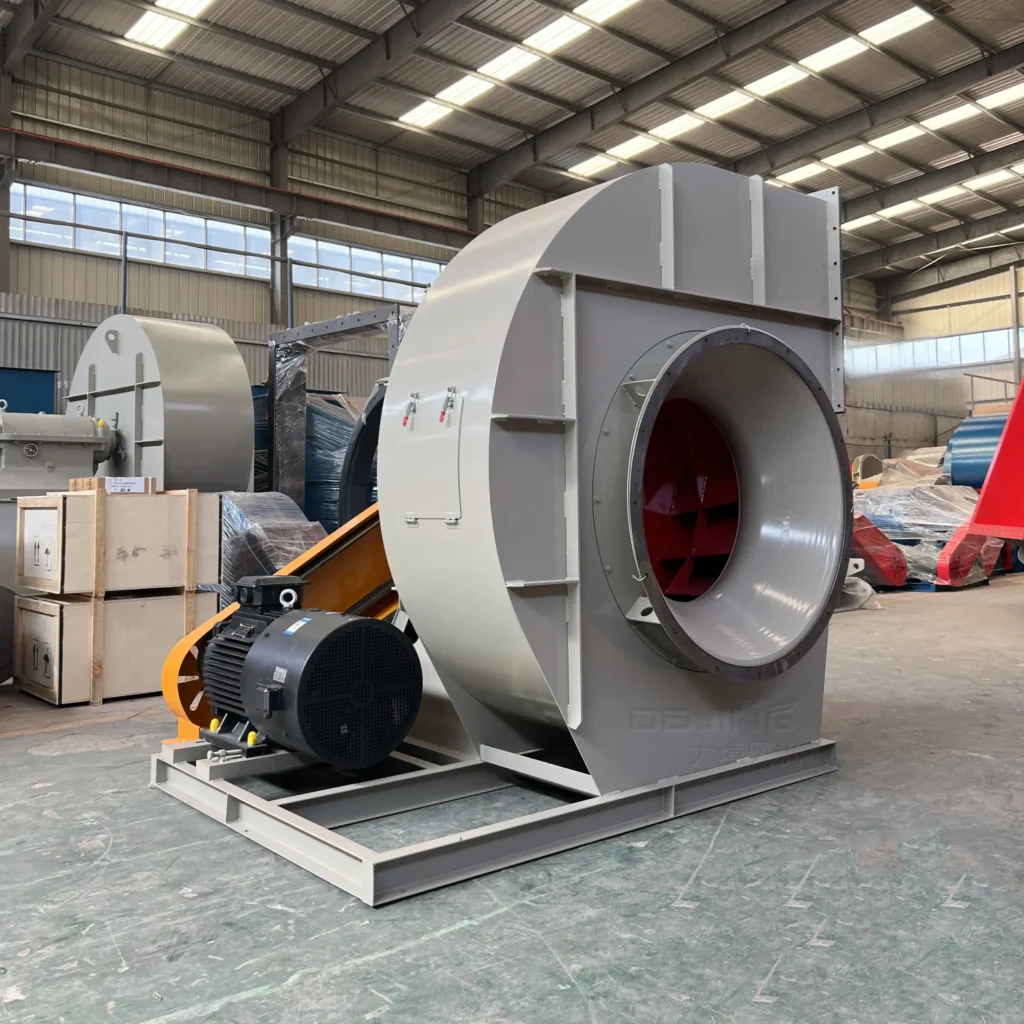
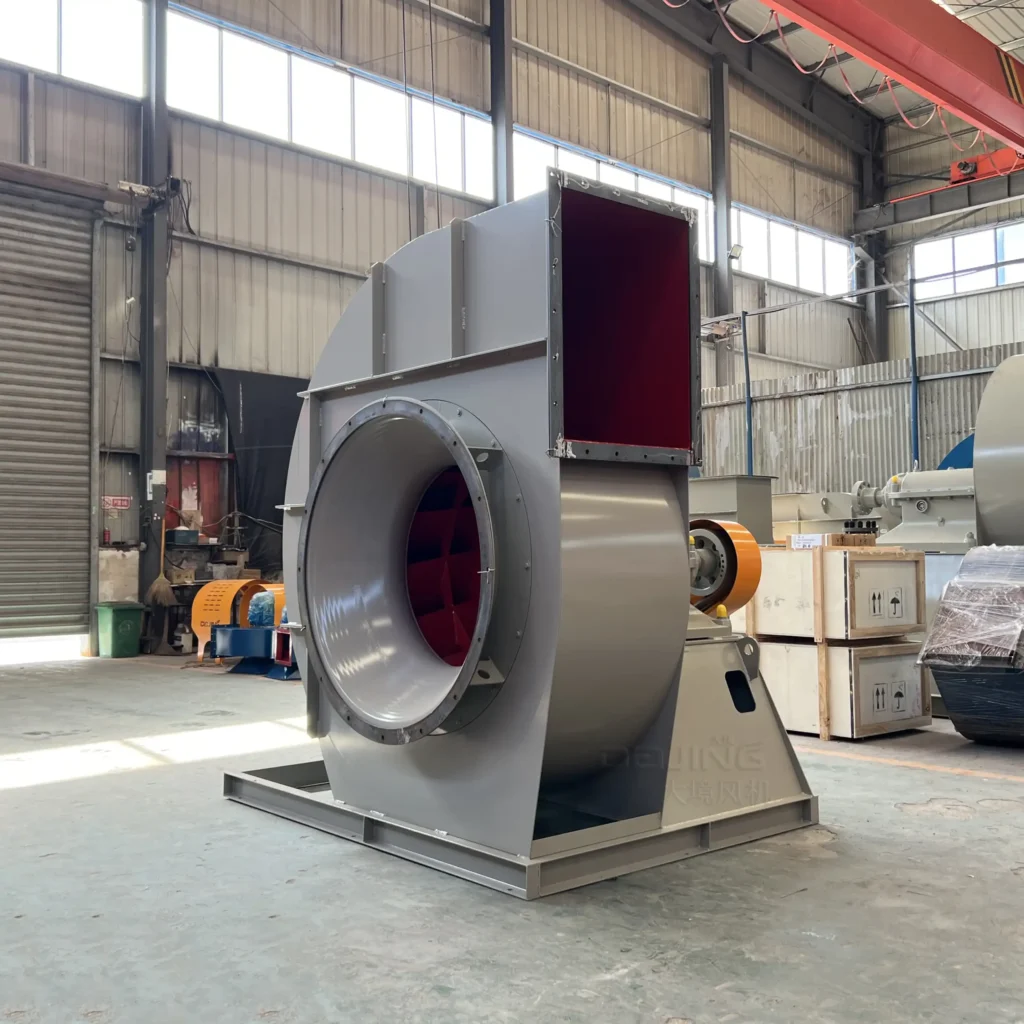
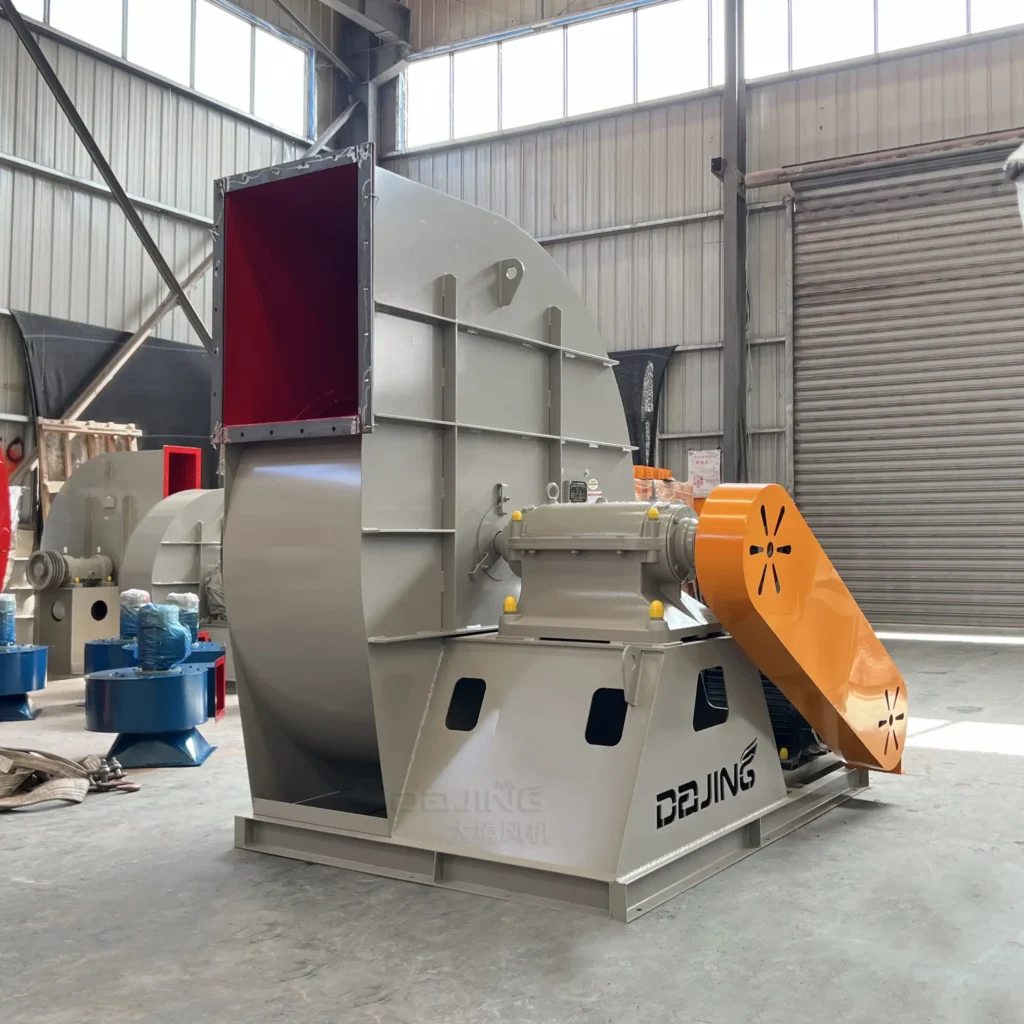
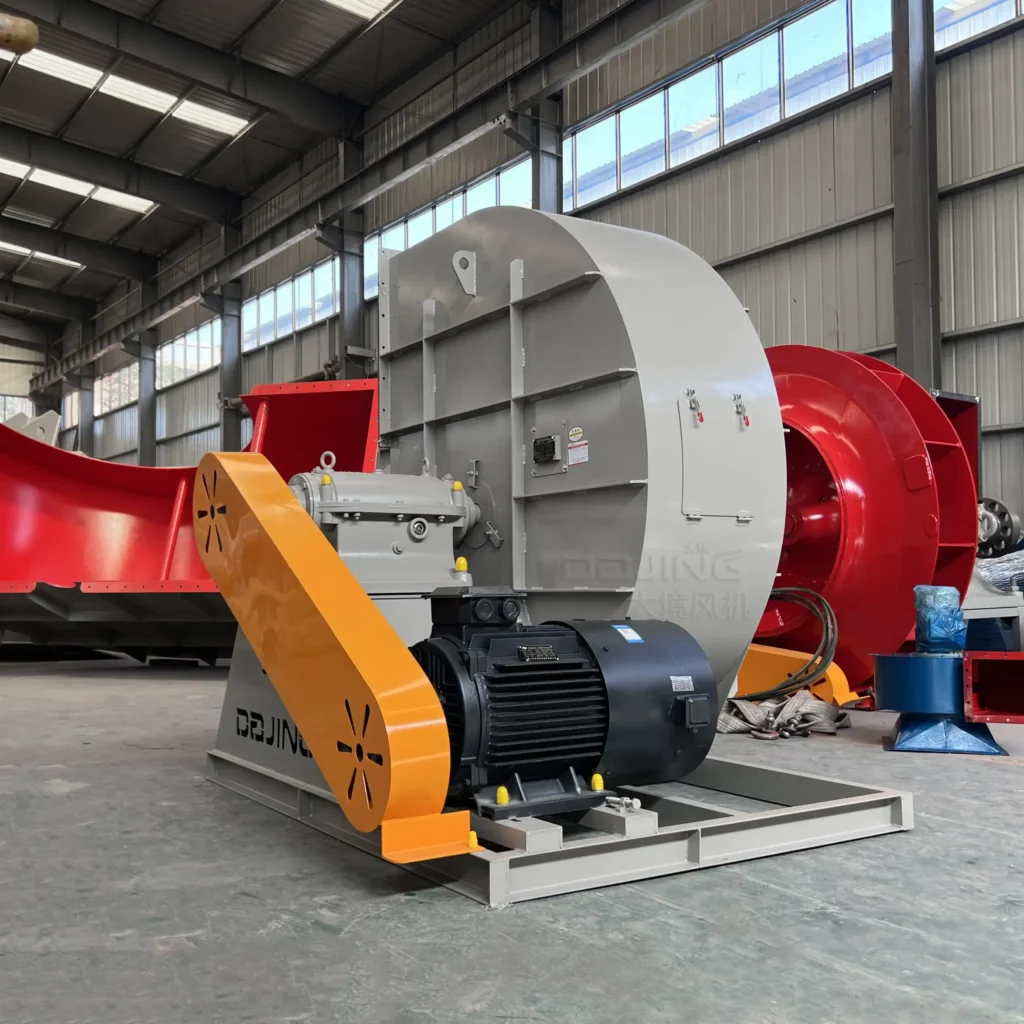
As a versatile drying equipment, the core principle of drying fans lies in accelerating moisture evaporation through forced convection. They are widely used in industries requiring dehumidification, drying, curing, or cooling for materials, products, or environments. Below are their primary application areas:
I. Primary Industries: Agriculture, Food, and Traditional Chinese Medicine Processing
This represents the most traditional and critical application domain, directly impacting the enhancement of agricultural product value and food safety.
Grain Drying: Rice, corn, wheat, soybeans, etc. Prevents mold damage from natural sun-drying, ensuring grain quality and storage safety.
Cash Crops and Fruit/Vegetable Drying: Tea leaves, tobacco, goji berries, red dates, chili peppers, shiitake mushrooms, wood ear mushrooms, and various dried fruit/vegetable products (e.g., dried mango, banana chips). Drying facilitates storage, transportation, and sales.
Chinese Herbal Medicine Processing: Initial processing of herbs like ginseng, honeysuckle, goji berries, and astragalus at origin requires strict temperature and humidity control to preserve medicinal efficacy.
Seafood/Aquatic Product Drying: Dried fish, shrimp, shellfish, kelp, etc.
II. Secondary Industry: Industrial Manufacturing
This represents the most extensive application with the most complex technical requirements.
Textile and Printing Industry:
Fabric Drying: Efficient drying of fabrics and yarns after dyeing, printing, or washing.
Setting: Hot-air drying for fabric setting to maintain stable dimensions and shape.
Printing and Packaging Industry:
Printed Material Drying: Rapid ink curing and drying for paper, plastic films, metal cans, etc., after printing.
Paper Product Drying: Dries adhesive joints in corrugated cardboard, cartons, and paper tubes during production.
Electroplating & Chemical Industry:
Part Drying: Rapidly and thoroughly dries metal parts after electroplating and cleaning to prevent water stains and secondary rusting.
Chemical Raw Material Drying: Dries granular and powdered chemical products (e.g., resins, pigments, fertilizers).
Wood Processing Industry:
Wood Drying Kilns: Artificial drying of logs and lumber to reduce moisture content, prevent warping and cracking—a critical step in furniture and wood product manufacturing.
Ceramic & Building Materials Industry:
Green Body Drying: Pre-firing drying of bricks, tiles, and sanitaryware.
Gypsum Board & Mortar Drying: Drying processes in building material production lines.
Automotive Manufacturing and Repair:
Painting Workshop: The baking booths used after automotive painting are essentially specialized high-temperature drying fan systems.
Drying of cleaned components.
Metallurgical and Mining Industry:
Mineral Drying: Dehydration and drying of coal, mineral powder, concentrates, and aggregates (quartz sand, foundry sand).
Environmental Protection Industry:
Sludge Drying: Dehydrating sewage treatment sludge to facilitate subsequent incineration or disposal, significantly reducing volume and weight.
Lithium Battery/New Materials Industry:
Electrode Sheet Drying: After coating in lithium battery production, electrode sheets undergo temperature-controlled drying to remove solvents.
Drying of separators and specialty fibers.
III. Tertiary Sector and Other Applications
Laundry and Textile Services:
Industrial Laundries: Hotels, hospitals, and laundry facilities utilize large-capacity dryers (with built-in drying fans) to process linens.
Public Venues (e.g., Pools, Bathhouses):
Floor Drying/Environmental Dehumidification: Rapidly dries surfaces to prevent slipping and maintain comfort.
Aerospace:
Composite curing: Hot-air curing ovens in aircraft component manufacturing (e.g., carbon fiber parts).
Military applications:
Equipment drying, military supply maintenance, etc.
Key Points Summary
Extremely versatile: Drying fans are applicable in nearly any process involving “liquid removal (primarily water).”
Highly Customizable: Different industries have distinct requirements for fan temperature (ranging from ambient to several hundred degrees Celsius), air velocity, corrosion resistance, explosion-proof ratings, cleanliness levels, etc. Therefore, drying fans are typically designed and selected as core components for complete systems like drying rooms, drying cabinets, drying tunnels, and dryers.
Core Value: Enhances production efficiency, ensures consistent product quality, enables continuous automated production, and reduces dependence on weather and site conditions.
When selecting a drying blower, it is essential to clearly define the characteristics of the material being dried (temperature resistance, form), initial and final moisture content requirements, production capacity needs, and heat source type (electricity, steam, gas, heat pump, etc.) to configure an efficient and energy-saving system.