What to Do When Industrial Centrifugal Fan Airflow Is Not Enough?

When the airflow on site is insufficient, many people immediately ask to replace the fan with a larger model. This is a simple but not always correct solution.

First, check several key factors:

1. Check the fan speed.
Confirm whether the VFD frequency is set correctly, whether the belt is slipping, and whether the pulley ratio is suitable.

2. Check the rotation direction.
A centrifugal fan running in reverse direction can still produce airflow, but both airflow and pressure will drop significantly. Simply feeling “there is wind” is not enough — the rotation direction must be verified.

3. Check the filter and air damper.
A clogged filter or a damper that is not fully open are among the most common causes of insufficient airflow. Many sites spend a lot of time troubleshooting, only to find that the damper position was incorrect.

4. Check the duct system.
If the actual installation differs from the design, such as reduced pipe diameter, too many elbows, or poorly designed tees, the system resistance will increase and reduce airflow.

5. Check the inlet conditions.
An elbow installed too close to the fan inlet, sudden diameter changes, or uneven airflow entering the impeller can all affect fan performance. Poor inlet airflow conditions will directly reduce fan efficiency.

6. Check the impeller.
Dust buildup, wear, or deformation of the impeller can reduce airflow and also cause vibration problems.

Only after these issues have been eliminated should you consider whether the fan was undersized.

The biggest mistake on site is replacing equipment without measuring and analyzing the actual data. Installing a larger fan increases costs and may also create problems such as higher noise, excessive motor current, and difficult system adjustment.

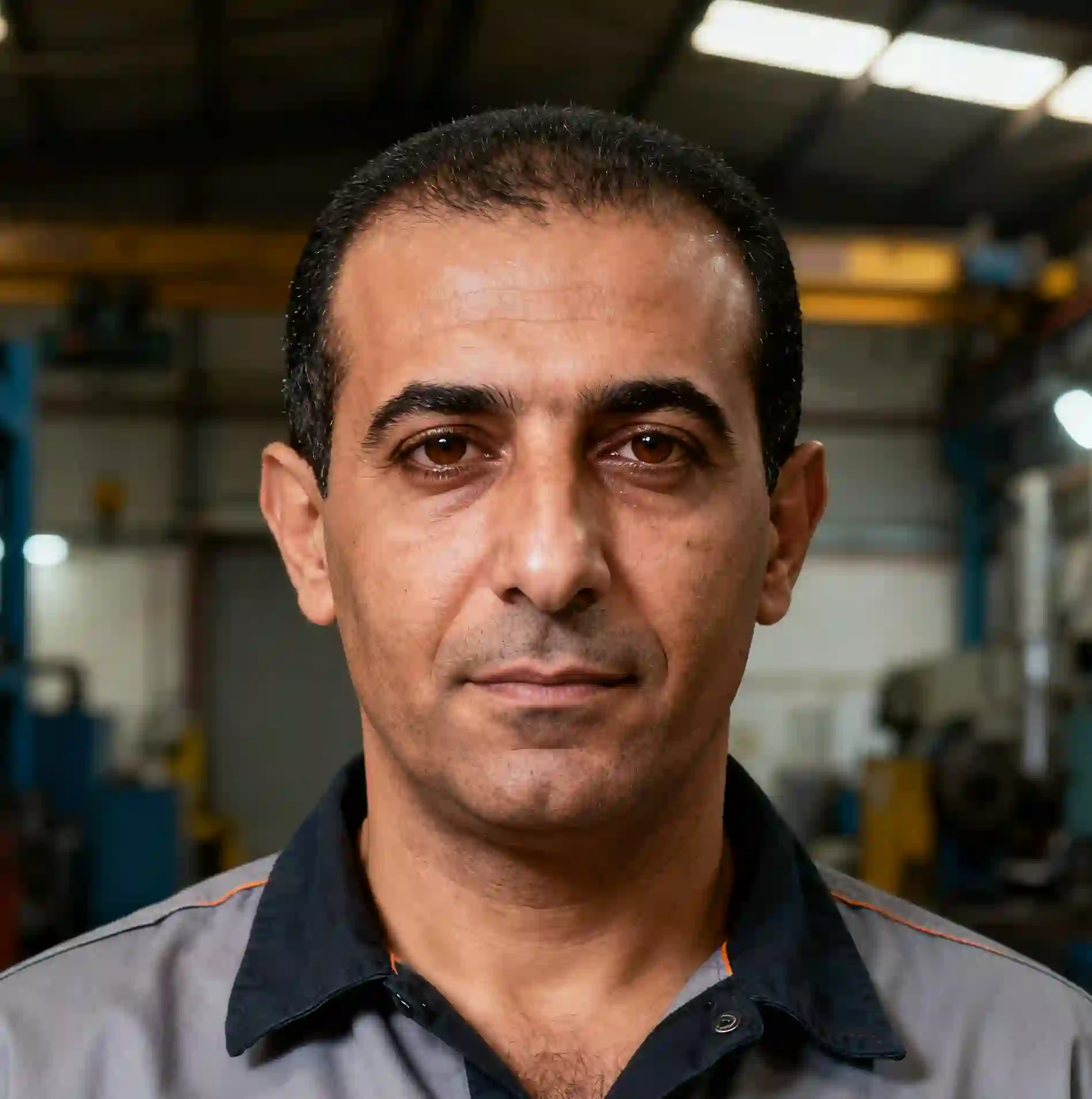
Customer Testimonials

Trusted by industrial partners across 30+ countries — real feedback from our global clients.

“We’ve been using Dajing’s 9-19 high-pressure centrifugal blowers for our dust removal system. The airflow performance is excellent, and the noise level is much lower than our previous models. Truly reliable quality.”

Ali Rahman Maintenance Engineer, Power Plant – UAE

“The 4-72 series blowers from Dajing have been running non-stop in our cement production line for two years with zero breakdowns. Their team provided fast delivery and technical guidance during installation.”

Sergey Ivanov Production Manager, Cement Factory – Kazakhstan

“Our HVAC contractor switched to Dajing’s products for a recent government building project. The energy efficiency and build quality exceeded expectations. Definitely a long-term partner.”

Mohamed Al-Farid HVAC Project Supervisor, Government Contractor – Saudi Arabia

“We ordered customized GY4-73 induced draft blowers for our boiler system. Dajing’s engineers adjusted the impeller size precisely to our parameters — performance and after-sales support were outstanding.”

Nguyen Thanh Binh Technical Director, Thermal Equipment Co. – Vietnam

FAQ's

Didn’t find the answer you were looking for?
Contact our engineering team for a customized solution.

Our engineers will recommend the suitable blower type based on your air volume, pressure, temperature, and working conditions.
You can also send your technical parameters or drawings directly for evaluation.

All Dajing blowers are ISO9001 and ISO14001 certified.
Depending on customer needs, we can also provide CE, EAC, or other international compliance certificates.

Yes. We offer fully customized blower systems to meet special environmental or industrial requirements, including high-temperature, dust-removal, and corrosion-resistant designs.

Generally 7-15 working days after receiving the deposit, depending on the order quantity and customization level.

Yes. We provide online technical guidance, spare parts supply, and on-site service if required.
Our goal is to ensure your blower operates efficiently throughout its service life.