Why Does VFD Control Save Energy?

There are two common ways to adjust airflow in fans: one is by using a damper, and the other is by adjusting the fan speed.

A damper reduces airflow by artificially increasing system resistance. The fan still runs at a relatively high speed, and much of the energy is wasted through throttling.

Speed control works differently. It directly reduces the workload of the fan. When the demand decreases, lowering the fan speed reduces the airflow, and the power consumption drops significantly.

For example, when the fan speed is reduced to 80% of the original speed, the airflow decreases to about 80%, the pressure drops to about 64%, and the power consumption can decrease to around half.

Therefore, in applications with large load variations, variable frequency control is much more energy-efficient than continuously using dampers for adjustment.

Variable frequency drives are widely used in air conditioning supply and exhaust systems, dust collection systems, cooling ventilation, and cleanroom ventilation.

However, a variable frequency drive is not a universal solution. If the fan is undersized, VFD control cannot solve the problem. If the duct system has excessive resistance, a VFD cannot replace proper system optimization.

The right approach is to select the correct fan and design the duct system properly first, then apply energy-saving control methods to achieve reliable and efficient operation.

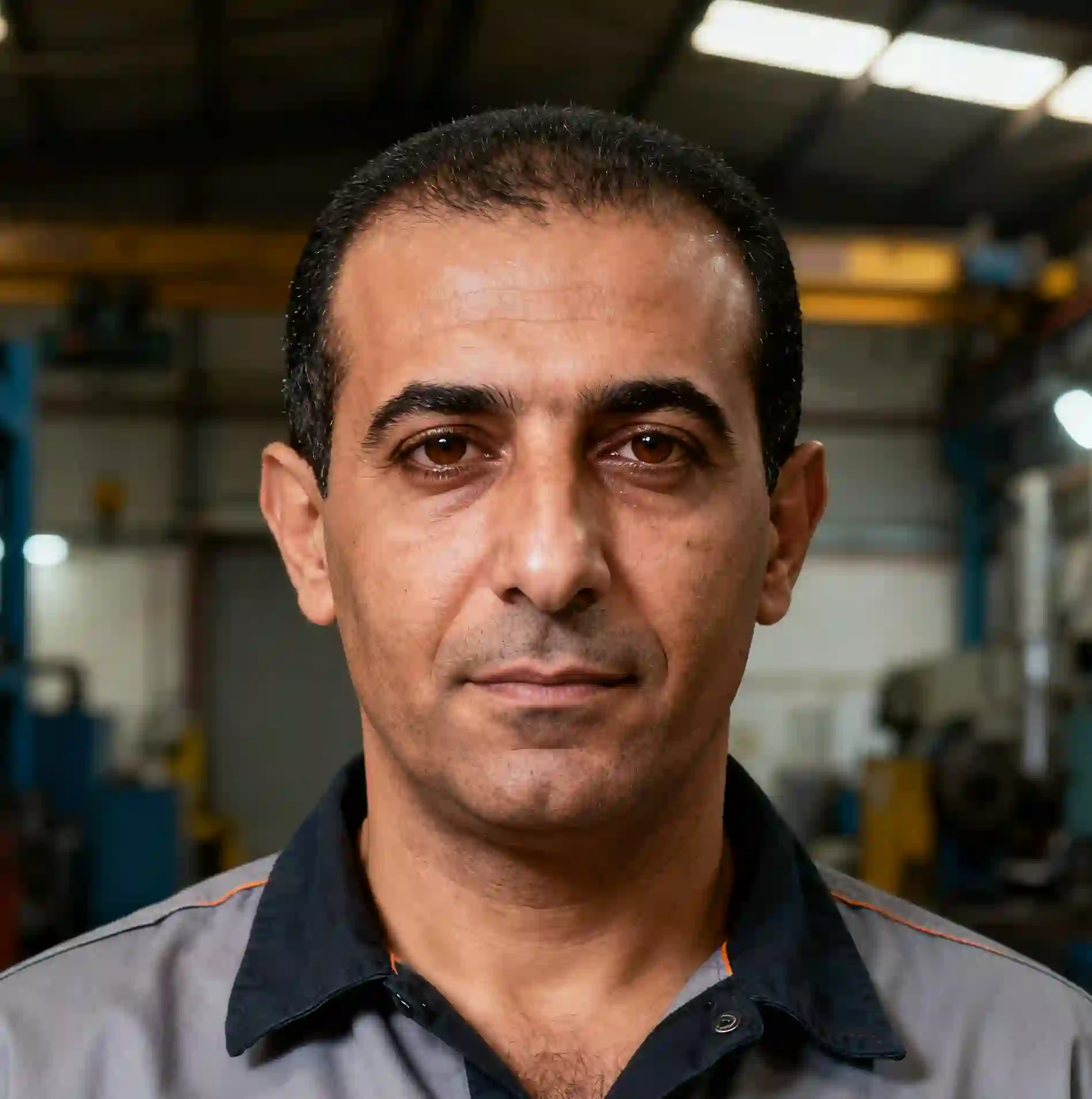
Customer Testimonials

Trusted by industrial partners across 30+ countries — real feedback from our global clients.

“We’ve been using Dajing’s 9-19 high-pressure centrifugal blowers for our dust removal system. The airflow performance is excellent, and the noise level is much lower than our previous models. Truly reliable quality.”

Ali Rahman Maintenance Engineer, Power Plant – UAE

“The 4-72 series blowers from Dajing have been running non-stop in our cement production line for two years with zero breakdowns. Their team provided fast delivery and technical guidance during installation.”

Sergey Ivanov Production Manager, Cement Factory – Kazakhstan

“Our HVAC contractor switched to Dajing’s products for a recent government building project. The energy efficiency and build quality exceeded expectations. Definitely a long-term partner.”

Mohamed Al-Farid HVAC Project Supervisor, Government Contractor – Saudi Arabia

“We ordered customized GY4-73 induced draft blowers for our boiler system. Dajing’s engineers adjusted the impeller size precisely to our parameters — performance and after-sales support were outstanding.”

Nguyen Thanh Binh Technical Director, Thermal Equipment Co. – Vietnam

FAQ's

Didn’t find the answer you were looking for?
Contact our engineering team for a customized solution.

Our engineers will recommend the suitable blower type based on your air volume, pressure, temperature, and working conditions.
You can also send your technical parameters or drawings directly for evaluation.

All Dajing blowers are ISO9001 and ISO14001 certified.
Depending on customer needs, we can also provide CE, EAC, or other international compliance certificates.

Yes. We offer fully customized blower systems to meet special environmental or industrial requirements, including high-temperature, dust-removal, and corrosion-resistant designs.

Generally 7-15 working days after receiving the deposit, depending on the order quantity and customization level.

Yes. We provide online technical guidance, spare parts supply, and on-site service if required.
Our goal is to ensure your blower operates efficiently throughout its service life.